95 arrested in INTERPOL operation targeting child abuse material distribution
Seventeen countries carried out four parallel actions and rescued one child.
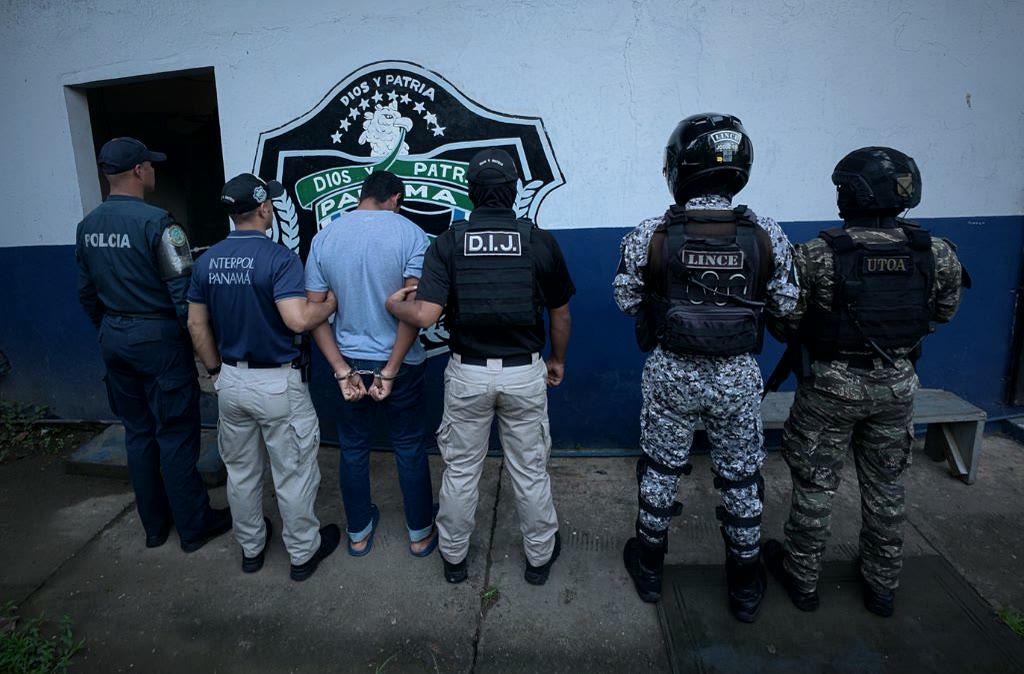
Ninety-five people were arrested in an INTERPOL-coordinated operation targeting the distribution of child sexual abuse material, as 17 countries dismantled messaging groups used to share and monetize files.
The four parallel operations ran from March 2026 to September 2026, with participating countries acting against different parts of the pipeline used to groom children, coordinate abuse, and receive payment through messaging applications and cryptocurrencies.
Across the investigation, police executed 127 search warrants and rescued one child. Suspects came from 17 different countries, with about 89 per cent male and 11 per cent female.
Investigators said the platforms also allow abuse content to be recirculated, leading to continued revictimization. Material seized during the operation is expected to drive further identifications of offenders and children at risk, along with additional safeguarding action.
In Colombia, police safeguarded a five-year-old victim and arrested the victim’s parent accused of producing and selling abuse material online. Investigators linked files showing the same child, some dating back to when the victim was one year old.
Authorities in Argentina, Costa Rica, Ecuador, Peru and Spain detected adolescents in messaging groups, including people requesting and distributing abuse material. In Ecuador, investigators found more than 4,000 files, totalling about 15GB of child abuse images, after analysing devices connected to a group sharing content. In Panama, police arrested a group administrator linked to a channel with more than 700 users.
INTERPOL said an operation database helped break a case in Argentina, where police reported a suspect was in contact with more than 260 girls from different countries. The suspect was accused of sextortion of minors, allegedly requesting increasingly explicit videos and images and threatening them after refusals.
The international effort, Confluencia, was funded by the EU programme EL PACCTO 2.0 and the Human Dignity Foundation through INTERPOL’s Preventing the Cycle of Harm Programme, with additional support from AC3 AMERIPOL and Red Elipsia.
INTERPOL said the arrests were made during the cross-border operations, with follow-up work continuing as seized material is analysed for further identifications.
ADVERTISEMENT
Source:
Interpol