Police launch reporting tool for cloned number plates in England and Wales
DVLA receives 11,400 contacts after drivers dispute fines linked to plate cloning.
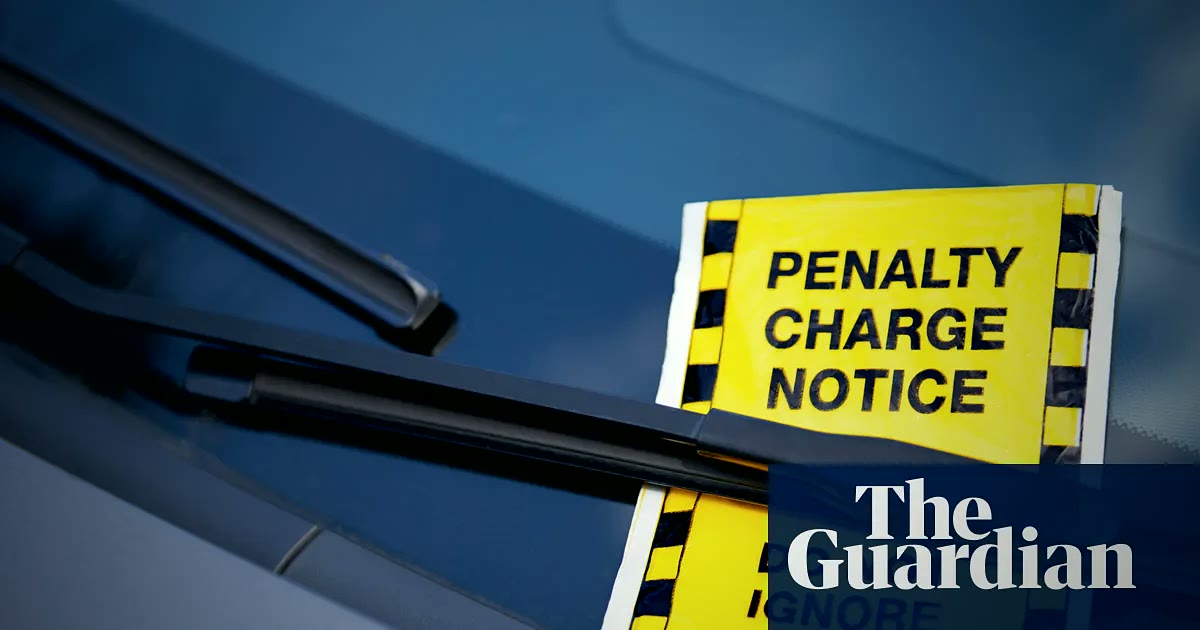
Police in England and Wales have launched a new online reporting tool for victims of cloned number plates after a record number of people contacted the DVLA about fines they said they did not recognize.
A record 11,400 drivers contacted the DVLA last year after being issued with penalty notices for offences they disputed. The figure was 9% higher than in 2024 and almost double the number recorded in 2018, with most complaints believed to be linked to cloned plates.
The fraud works by using a fraudulent copy of a registration to rack up penalties across different areas. One victim, a woman from London, said her car’s black Volkswagen Golf did not leave her home while she was on holiday in Canada, but a similar vehicle with a cloned plate issued notices worth £2,560 across five London boroughs.
Police guidance and government information point to two routes for the problem, including deliberate criminal use and situations where motorists are sold incorrect plates without realising. Officials said a third of motorists stopped in number plate operations this year had no idea they had an illegal plate.
The new reporting tool lets victims report a cloned plate directly to police online, and police will also inform the DVLA. There is also government guidance on how to appeal incorrect fines or charges.
Another DVLA contact story described how it took months to challenge multiple fines, after the police contest did not accept that she had been abroad. If the issue happens again, she has been advised to change her registration.
The initiative is intended to make it easier for victims to report cloned plates, while the wider advice focuses on checking registration details with DVLA-held information when buying number plates and used cars.
ADVERTISEMENT
Source:
The Guardian UK Crime