Romanian energy firms warn of door-to-door fraud using fake identities
Companies say authorised agents present offers and contracts, not collect overdue bills or money at home.
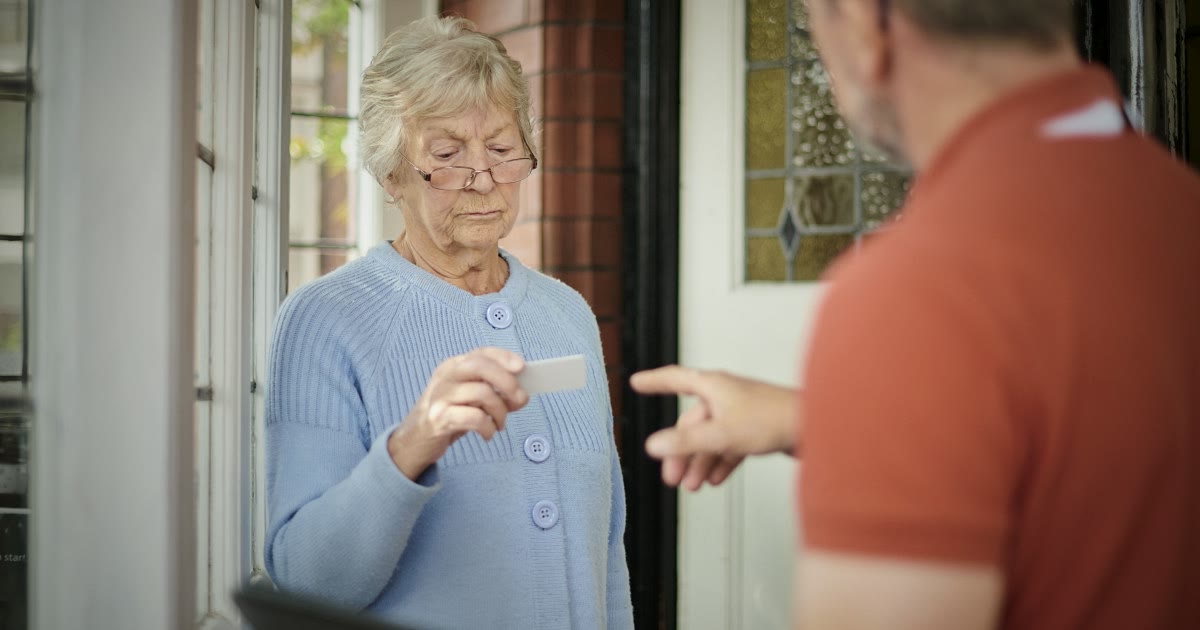
Door-to-door fraud targeting energy consumers in Romania often uses fake identities and familiar company names to win trust, police and regulators warned in guidance compiled from a reported case.
Fraudsters may approach people, especially elderly residents living alone, claiming they are checking meters, delivering urgent repairs, offering help, or collecting overdue payments. They may also present themselves as municipal staff, pension offices or even police, using emotional pressure and requests for documents or money.
The tactics described include promises of recalculations, benefits and other “facilities”, along with pitches for products presented as miraculous or fundraising requests. In some cases, the goal is to enter the home, distract the victim, and identify where savings or valuables are kept.
A guidance case described by Digi24.ro involved a suspect who visited an elderly woman at her home, claimed to represent her electricity supplier, said there was an outstanding bill, and requested additional documents.
Romanian regulators and police said they cannot give an exact picture of how widespread the phenomenon is, but energy providers shared a common rule. According to PPC Energie, E.ON Energie România and Electrica Furnizare, their companies or authorised partners can send agents for commercial visits to present offers and help conclude contracts.
However, the providers say agents do not notify customers about overdue bills, do not collect debts, and do not take payments at a home address. PPC said its agents do not collect bills at customers’ homes in any form, including digital payments or cash. E.ON stated that neither its staff nor authorised partners carry out home visits to hand over bills, communicate arrears, or request documents related to overdue payments.
E.ON added that bill and balance information is shared through its Myline app, email, SMS, automated calls from its virtual assistant, or by post. It also pointed to automated phone services using numbers listed by the company. Electrica Furnizare said its campaigns may include unannounced visits, but their purpose is limited to presenting offers and signing up for services if the resident agrees.
The latest status is guidance based on reported incidents, with authorities and energy suppliers focusing on how to verify an agent’s identity and the legitimate purpose of any visit.
ADVERTISEMENT
Source:
Digi24