Belgium prisons brace for homeless people committing offences to stay jailed
At least 1,450 people were held at Haren prison for 1,200 places on 16 November.
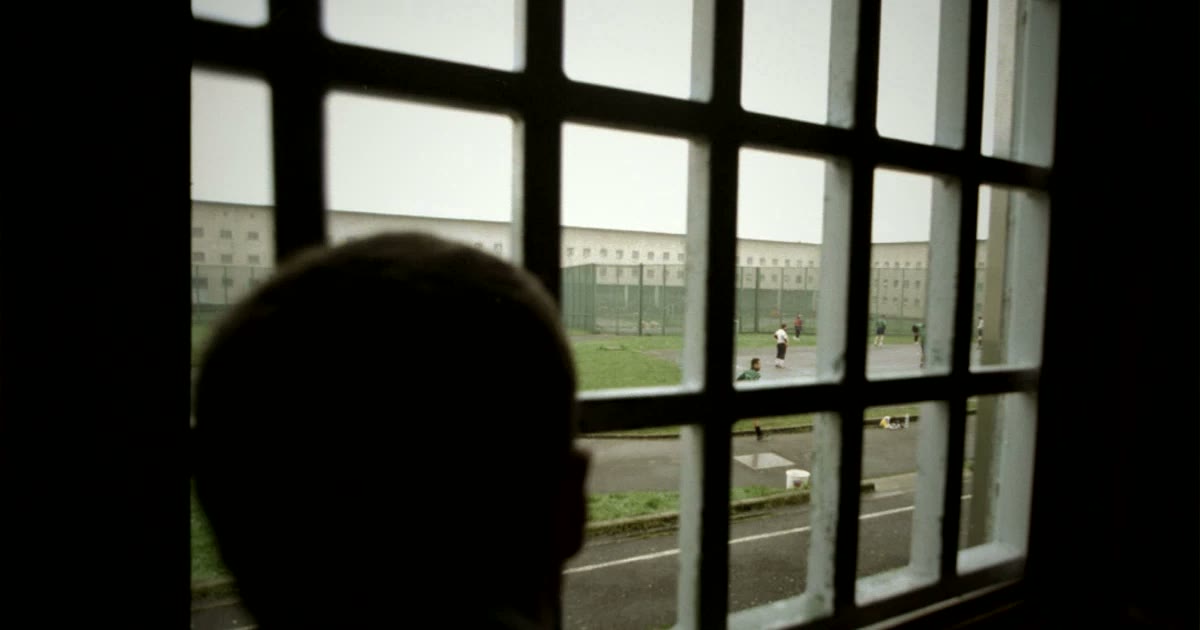
Belgian prisons are bracing for an influx of homeless people who prefer spending the winter behind bars rather than on the streets, after a court case showed how desperate housing conditions can shape decisions.
The Namur criminal court heard the case of a man whose two-year prison sentence was cut to 18 months with suspended execution. Even with the reduction, he said he did not want to leave because he had no home and expected to end up without shelter.
Prison officials say the problem is not rare as temperatures drop. “When the end of autumn arrives, we see an increase in the number of prison entries, especially among homeless people and in Brussels,” a prison service spokesperson said.
A prison union leader added that when a release decision becomes effective, there is no longer a legal basis to keep someone locked up only because they want to stay. “So they often commit a new offence to get back into prison and spend the winter,” the official said.
Officials describe how they manage overcrowding while dealing with people who have no legal right to remain detained. Plans to cope include installing extra bedding, with beds stacked in cells that normally hold one person, or using floor mattresses. At Haren prison in Brussels, there were 1,450 detainees against 1,200 places in a tally on 16 November.
Overcrowding and staff shortages also make psychosocial follow-up harder for all prisoners, and even more so for people classified as “illegal” because they are quickly processed by the Immigration Office.
The wider pressure on shelters is also feeding into the prison capacity problem. Brussels has faced cuts to emergency shelter capacity for asylum-seeking homeless people and a reduction in federal funding tied to the “Brussels Deal.”
According to the prison administration, when a release decision is effective, the prison must release the person, to avoid arbitrary detention. Authorities say prison directors and psychosocial services can still try to understand refusal reasons, assess a social situation, and seek help from relevant support services.
The latest status in this case is that the sentence has already been reduced to 18 months with suspended execution, while prison authorities continue preparing for increased seasonal admissions.
ADVERTISEMENT
Source:
DH Faits divers