Hong Kong activates facial recognition on urban surveillance network
The rollout will add up to 60,000 camera capture points by 2028.
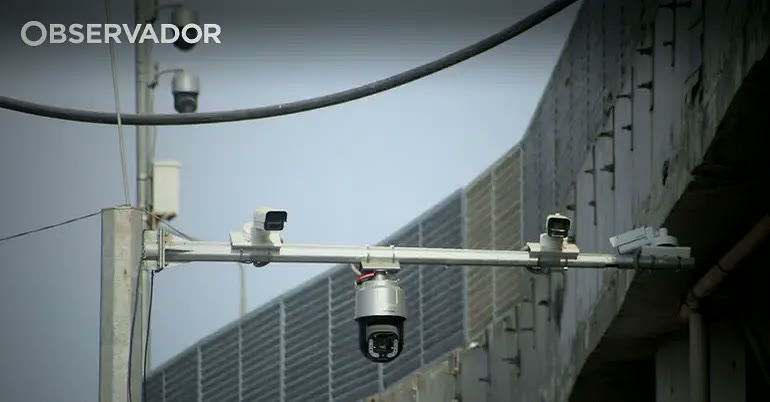
Hong Kong police are activating facial recognition tools across the city’s SmartView surveillance network, with the software intended to support investigations into serious crimes and missing persons.
The system goes live this Monday as part of an expansion plan budgeted at 4,000 million local dollars, about 462.8 million euros. Police said automated identification will be used with strict oversight rather than indiscriminately.
Police leadership said the tools require “controls and balances” to prevent abuse, and described protocols for supervision and enforcement. The force said the technology will primarily help locate missing people and clarify serious crimes.
The government programme already includes around 5,000 state devices and 6,000 external signals. A second phase, outlined in the latest policy speech by the Executive, will add 20,000 terminals, bringing the total to 60,000 capture points across the city by 2028.
The initiative is framed around four strategic goals: safeguarding national security, combating crime, preserving public order, and protecting the physical and property integrity of residents. The expansion follows tighter institutional control after the 2019 pro-democracy mobilisations, which led to thousands of detentions and hundreds of indictments under the National Security Law imposed in 2020.
Human rights groups have warned that surveillance measures could converge with mainland China’s model, citing the wider use of drones, street sensors, and real-time biometrics. Hong Kong police said their approach is designed to address public concerns and use the tools within defined investigative purposes.
ADVERTISEMENT
Source:
Observador