HRW alleges Croatian police beat family of five, left them without food or water
Report says the family was separated and forcibly returned over the border.
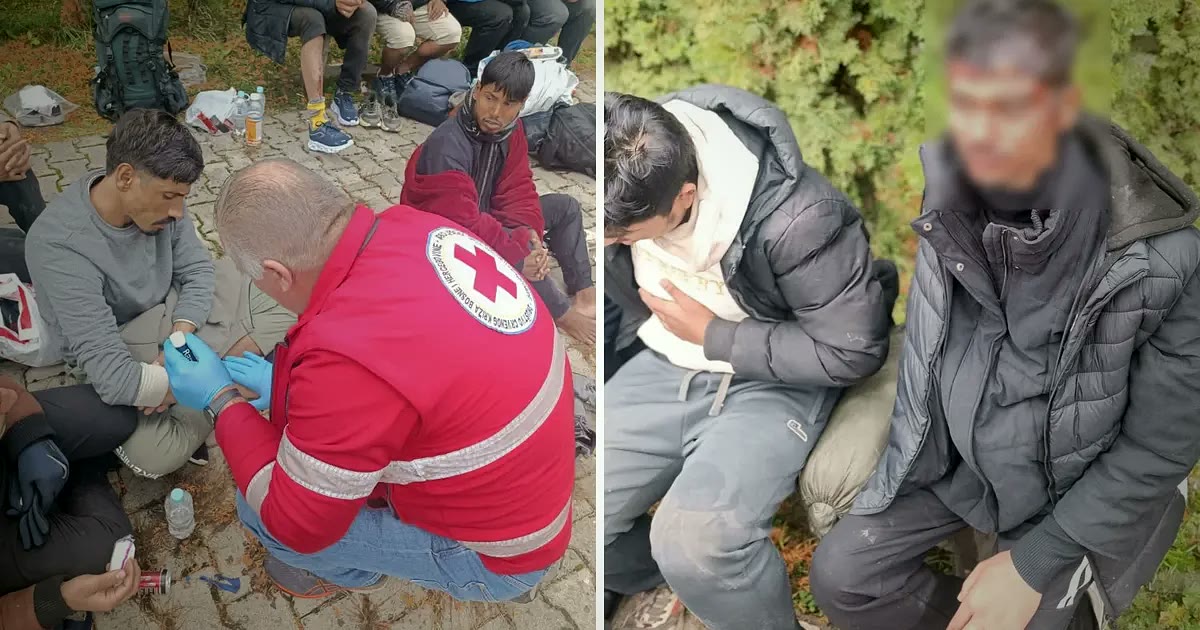
Human Rights Watch says Croatian border police used violence against a family traveling from Ghana, then forcibly returned them, leaving the mother and her children without food or water.
The NGO’s 43-page report, published on Tuesday, documents alleged routine pushbacks from Croatia into Bosnia and Herzegovina, including cases involving unaccompanied children and families with young children.
HRW says it interviewed more than 80 people, including seven unaccompanied children, four children traveling with family members, and six parents traveling with their children. The organization also spoke with 15 humanitarian workers and other people who provide information and support to asylum seekers and migrants.
People interviewed told HRW that Croatian police beat them or struck them, took their money, and seized or destroyed their mobile phones, and in some cases confiscated documents or footwear. Several interviewees also described being forced to remove clothing down to underwear before being returned across the border.
One woman from Ghana told HRW that the police separated her family, taking her husband in one vehicle while she and her daughter were taken in another. She said they were separated for two days and then forced back through the forest into Bosnia without mobile phones, food, or water. She also said they had to walk all day, and became lost and afraid for hours.
HRW claims Croatia shows tolerance toward these practices, citing alleged lack of proper monitoring, ineffective investigations, and insufficient accountability, as well as denials by authorities. The report says no police officers were prosecuted for participation in pushbacks, even when people suffered serious injuries or extreme forms of humiliation. It adds that seven police officers received disciplinary sanctions between 2020 and 2025 for alleged abuse of migrants.
For many people returned to Bosnia and Herzegovina, HRW says one of the only shelter options is the Lipa migrant reception centre near Bihac, about 25 kilometers away. HRW says the centre sometimes lacks water and electricity and provides limited healthcare, with no education for children.
HRW says EU-funded border monitoring in Croatia has not had the intended effect. The organization says EU institutions have tools to oversee and enforce compliance with EU human-rights and refugee standards, including rules banning collective expulsions and protecting the best interests of the child, but that those tools have not stopped forced returns.
The report describes allegations and claims about ongoing practices, with HRW saying EU mechanisms have so far had little effect on police conduct.
ADVERTISEMENT
Source:
24sata