INTERPOL arrests 95 suspects in child abuse material crackdown
Operation spans 17 countries, includes messaging apps and cryptocurrency payments.
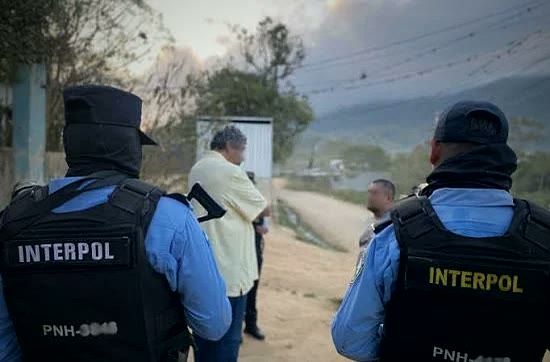
INTERPOL coordinated raids that led to the arrest of 95 suspects accused of producing, distributing or monetising child sexual abuse material through messaging apps and cryptocurrency payments.
The operation, International Effort Confluencia, ran through four parallel actions between March and September 2026 across 17 countries in Latin America and Europe. Police executed 127 search warrants and rescued one child.
Investigators targeted alleged offender groups that used online messaging applications to share illegal material and connect with one another. They also examined cryptocurrency payments linked to the sale of abuse content.
INTERPOL warned that digital platforms are increasingly used not only to distribute illegal files, but also to groom children, coordinate abuse and monetise exploitation. Because the same file can be copied and redistributed repeatedly, abuse can continue even after earlier material was created.
About 89% of those arrested were men and 11% were women. Investigators seized digital material that could generate further leads, including additional suspects and unidentified victims.
One of the most serious cases surfaced in Colombia, where authorities safeguarded a five-year-old child and arrested a parent accused of producing and selling abusive material online. INTERPOL investigators used its Child Sexual Exploitation database to link multiple files involving the same child, including material dating back to when the victim was one year old.
The database helps compare images and videos from separate investigations to determine whether material shows the same victim and to connect cases across borders.
Police also arrested alleged group members in other countries, including an administrator of a group with more than 700 users in Panama. In Ecuador, investigators seized more than 4,000 files containing around 15GB of child abuse material from one suspect.
In Argentina, authorities arrested a suspect accused of communicating with more than 260 girls from several countries using sextortion tactics. The operation also found adolescents participating in some messaging groups in Argentina, Costa Rica, Ecuador, Peru and Spain.
INTERPOL says tracing people who paid for material or joined closed groups will be a priority, even if they were not directly involved in producing it.
ADVERTISEMENT
Source:
The420.in