Manchester police used Cellebrite to extract activists' Signal messages
Statewatch links Cellebrite contracts worth about 25 million pounds to police data access.
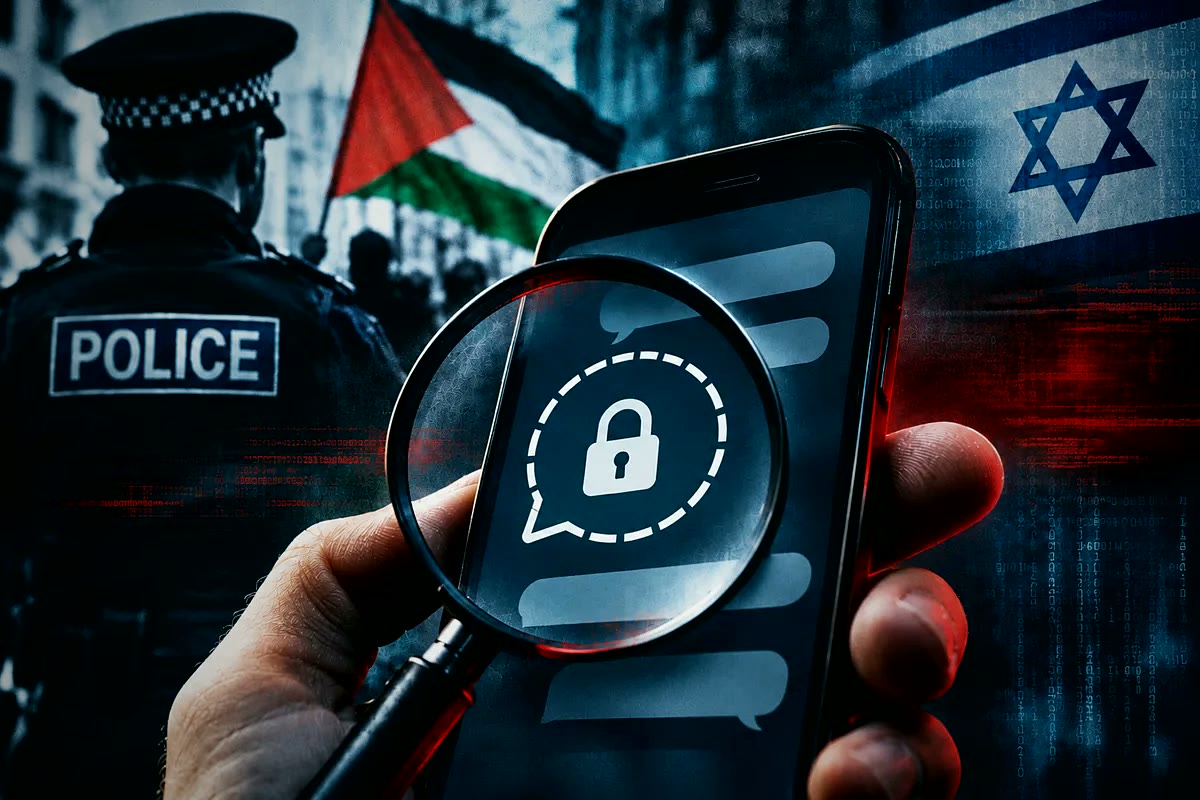
Police forces around Greater Manchester allegedly used Cellebrite forensic tools to extract private data from mobile phones seized from pro-Palestinian activists, according to Statewatch.
Statewatch’s investigation, published on 19 November, points to a case where private communications ended up as evidence against a different suspect, even though no charge was brought in the first case.
Statewatch says the police used Cellebrite’s forensics to pull data from phones connected to pro-Palestinian protests.
One of the concerns involves an activist referred to as “Lena”. Police searched her home and seized electronic devices in 2025. Six months later, she was told no further action would be taken. Her private messages, however, later appeared in evidence used against another activist suspected of a link to a 2024 protest action.
Statewatch says it reviewed a police document labelled an “Extraction Report”, bearing Cellebrite’s logo. The document allegedly contained transcripts of Signal communications, including messages that had previously automatically disappeared in the app.
The report describes Cellebrite as a supplier of technology that helps investigators extract and analyse data from mobile devices, including some deleted content. It adds that this does not mean Signal’s encryption was broken, because the work concerned forensic analysis of devices that were physically seized.
Statewatch also cites public contracts with Cellebrite worth about 25 million pounds from 2023 to 2026, including a Greater Manchester police contract approved in December 2024 worth 3.4 million pounds.
Human rights lawyers warn that data gathered during investigations could be retained and used for intelligence work even when it is not relevant to a specific charge. A member of parliament, Hannah Spencer, has called for greater transparency on how such systems are used and against whom.
Manchester police did not respond to repeated requests from the researchers.
ADVERTISEMENT
Source:
N1 Bosnia