Palermo antimafia hearing splits on black track behind 1992 massacres
A prosecutor told the Commission that mafia-contract investigations influenced Via D'Amelio and possibly Capaci.
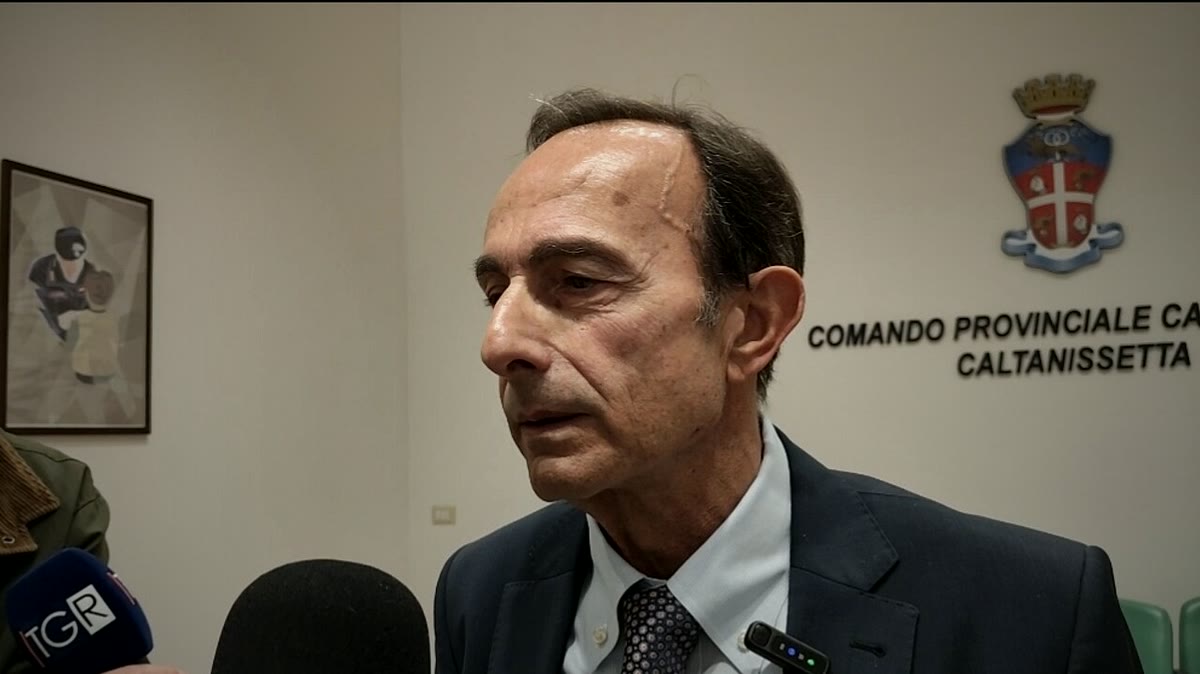
A prosecutor told Italy’s antimafia commission that the “black track” linked to the 1992 mafia massacres is being treated unfairly, insisting it is not being considered on its merits. The hearing in Palermo also exposed a deep split between political sides over what caused the attacks.
Prosecutor Salvatore De Luca described elements from the investigations into “mafia and contracts” and the “black track” as potential contributing causes. He said the procedure for the mafia-appalo investigation was “a certain contributing factor” behind the Via D'Amelio bombing and possibly, in a slightly smaller measure, behind the Capaci attack.
The “black track” concerns alleged links between mafia figures and neo-fascist or right-wing extremist circles, with claims involving people inside law enforcement and intelligence services. The account referenced acts from other investigations, including names connected to Avanguardia Nazionale and material tied to individuals said to have been near the preparations for the Capaci attack, as described in investigative statements and interviews.
At the same time, the “mafia and contracts” track concerns alleged collaboration between Cosa Nostra and major entrepreneurs, including outside Sicily, over major public works. That investigation was archived in October by the investigating judge after prosecutors requested the closure, citing that no evidence was found.
The hearing also highlighted an internal family split linked to the Borsellino case, with one close relative pressing for investigation into the black track while other family members backed a different line.
The latest status is that the “black track” tied to the 1992 massacres is not archived, while the “mafia and contracts” investigation has been closed.
ADVERTISEMENT
Source:
ANSA