Police Scotland seizes 1,204 illegal e-bikes and scooters in 2026
Seizures and incidents involving illegal electric bikes have nearly doubled, police warn.
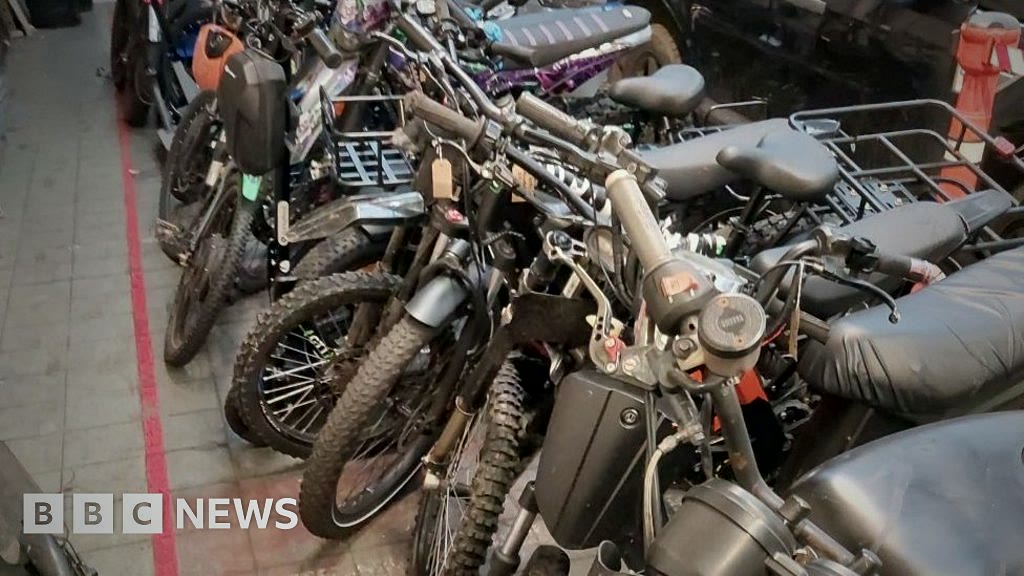
Police Scotland is submitting evidence to a Holyrood justice committee after seizures of illegal e-bikes and e-scooters surged, with 1,204 vehicles seized between January and October.
The number of electric motorbikes, e-bikes and e-scooters taken by officers nearly doubled from 727 in the same period in 2025. Police also recorded 3,208 incidents involving electric bikes and e-scooters from January to October, up 1,689 year-on-year, while crimes and offences linked to the vehicles rose from 1,730 to 3,367.
Officers say the increase is driven by “harm prevention” and proactive policing, with dangerous riding putting riders, other road users and pedestrians at risk. Police cited cases including an 89-year-old woman who suffered serious injury after a collision and an eight-year-old child who was hit by an illegal e-bike rider who failed to stop at a red light.
Police Scotland said its approach changed in September. Since then, it has had a policy of destroying seized vehicles, whereas some had previously been auctioned, meaning they could end up back on the streets.
The force warned the full scale of the problem is not reflected in police records, saying such behaviour is not always reported and may go unrecorded unless officers identify it.
The justice committee is also examining whether police have enough powers, and whether the Scottish government’s approach is effective. Police said existing powers under the Road Traffic Act 1988 are sufficient for seizing illegal e-bikes and e-scooters, including Section 165A which allows uniformed officers to seize a vehicle when a driver is driving without the required licence or insurance.
Police Scotland added that enforcement is not the whole solution and suggested the committee could look at the ease of access to the vehicles and the retail and regulatory framework. It also highlighted limited legislation to seize or remove items used to conceal identity, noting that many riders wear face coverings such as balaclavas.
In its evidence, Police Scotland said a general ban on wearing face coverings might breach human rights, and it suggested the government could explore more limited legal options.
ADVERTISEMENT
Source:
BBC