Police dismantle suspected Sevilla prostitution trafficking ring with 19 arrests
The operation identified 22 women and seized vehicles and electronics used to control them.
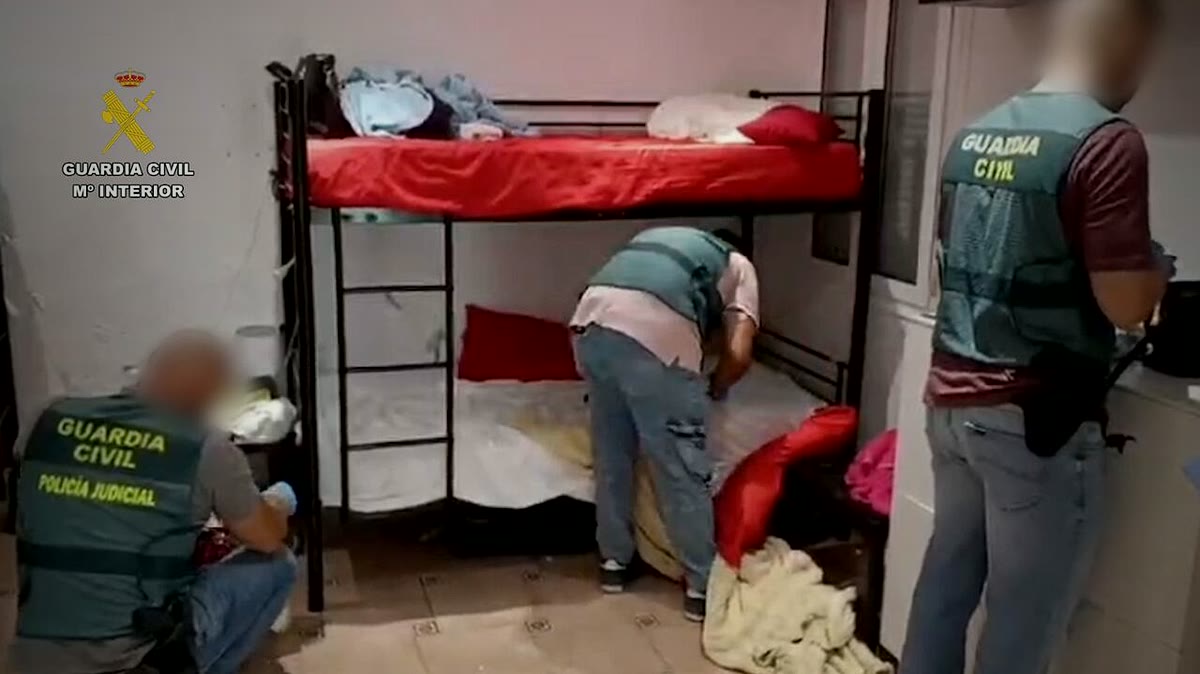
Police in Sevilla dismantled a suspected trafficking network that allegedly forced women into prostitution under threats and debt, with operations also carried out in Gelves.
The Guardia Civil said the suspected group recruited women in Latin America with fake offers of work as carers for elderly people in Spain. Once in Spain, they allegedly had their passports taken and were told they owed about 10,000 euros for travel, documentation and accommodation.
Investigators said the debt was used as a pressure mechanism to compel the women to work in prostitution apartments run by the organization.
The inquiry began in late 2025 after a woman managed to escape the group’s control. Her account helped investigators understand how the network operated, including alleged coactions and intimidation, with threats aimed at the women’s families in their home countries.
Police also found that the Sevilla-based organization had links with other criminal groups in different provinces. The women were allegedly moved between properties across Spain, making them harder to locate, and when they were transferred, their debts allegedly continued with the new handlers.
After more than nine months of investigation, Guardia Civil teams carried out a joint operation with the Police Judicial teams. In late September, officers carried out six entries and searches in homes in Sevilla city, Gelves and Jerez de la Frontera, with support from the Policía Local de Sevilla.
The searches led to 11 arrests and the identification of 15 women whom the investigation said were being exploited. Two women requested protection and were taken to specialized resources through investigators’ management.
During the raids, Guardia Civil officers seized two high-end vehicles, video surveillance devices allegedly used to control the women, mobile phones, electronic payment terminals and documentation tied to the case. In total, the operation resulted in 19 detainees and 22 women identified across the investigated premises.
The investigation is ongoing as authorities continue to pursue how the network and its connections across provinces operated.
ADVERTISEMENT
Source:
El Pespunte