Slovenia debates cutting ARIS research grant funds worth 34 million euros
A parliamentary committee discusses a possible drop from 36 million euros to 14 million, with no decision yet.
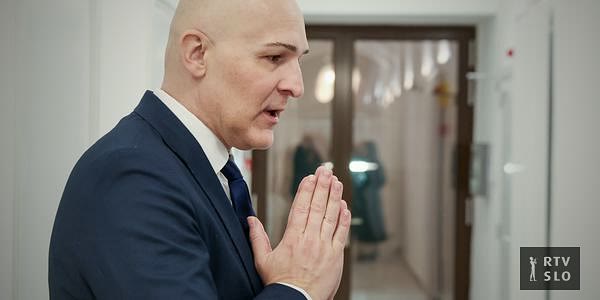
Slovenia’s ARIS research grant scheme is at the centre of a tense debate after a possible cut tied to a planned 34 million euro tender.
The education, youth and science committee discussed whether the public call should be reduced, as the minister for education, science and youth, Borut Rončević, said the final decision has not yet been taken.
According to the committee debate, the proposed reduction would slash funding from 36 million euros to 14 million. The High Education Union warned last week that the minister demanded a 60% cut to the ARIS tender.
Members of parliament from the Left raised concern that such a “brutal” cut would damage research and limit opportunities for young researchers. They pointed to earlier public finance balancing rules passed in 2012, saying that gap between generations also hit science careers.
Rončević argued that any money would remain within the higher education and science system and said that scientific institutions are currently in a strong financial position. He also linked recent improvements to measures adopted by the third Janša government to increase funding for science.
Researchers and institutional representatives told lawmakers that stable and predictable funding is a prerequisite for international competitiveness and long-term development. The University of Ljubljana said stable financing is essential and warned that project applicants spend enormous time preparing proposals. The director of ZRC SAZU said cutting funds for basic research projects would mean “extreme” impoverishment of the core of research, while the Mlada akademija association warned about more insecure employment forms for young researchers and limited access to long-term resources.
In the committee discussion, a lawmaker from the Freedom party said the minister should not judge whether project content is appropriate. Another lawmaker from SDS accused some research institutions of promoting ideology, including around migration and gender theory, claims that the Left’s representative disputed.
The committee rejected all Left proposed conclusions, but it did approve conclusions tabled by the governing coalition. The coalition urged the ministry and ARIS to do everything needed for timely co-financing of selected projects.
The dispute over research funding also came up during the ARIS Day event at Cankarjev dom. ARIS director Tjaša Dobnik said ARIS will receive official ministry guidance on next year’s agency financing soon, which will determine whether the tender conditions change. She added that contracts already agreed will put almost 395 million euros toward research activity this year, about 8% more than last year.
Parliament also heard plans to build a more stable system to let researchers plan long term and support projects with the highest potential for scientific breakthroughs.
For now, there is no confirmed funding decision for the 34 million euro tender, and the latest status remains under ministerial deliberation.
ADVERTISEMENT
Source:
RTV Slovenija