Slovenia local election campaigns flagged by several corruption probes
Voters go to the polls in 212 municipalities while multiple mayors face investigations.
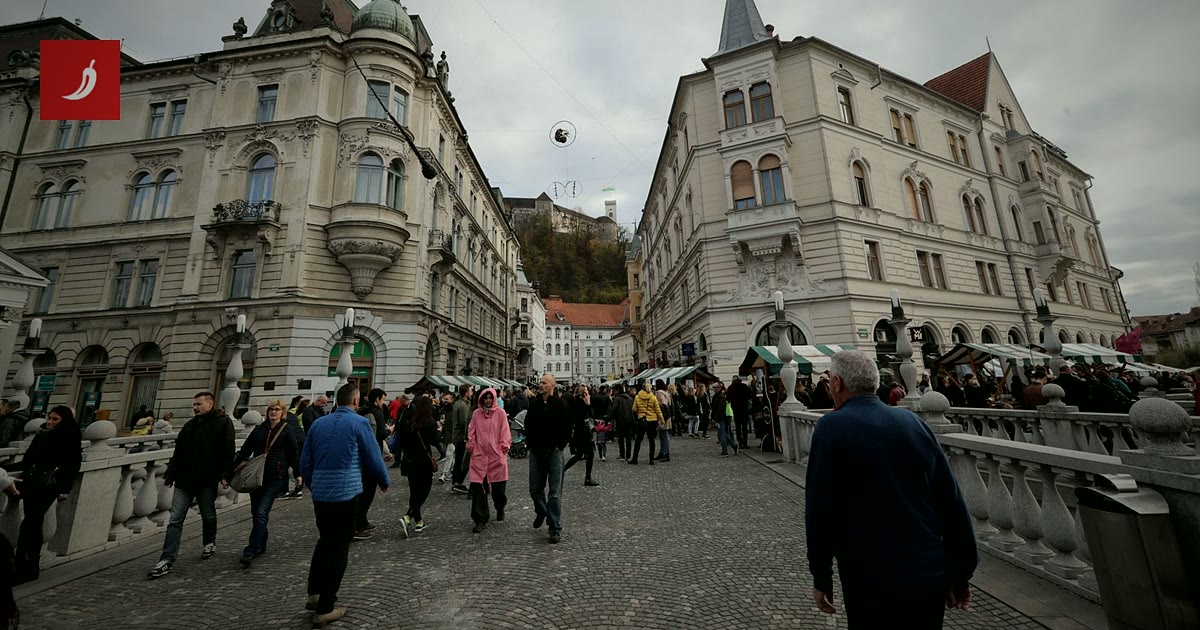
More than 1.6 million voters in Slovenia head to the polls tomorrow to choose mayors and municipal councillors in all 212 municipalities, but the election campaign is shadowed by several corruption and misconduct probes.
In the capital, Ljubljana, Mayor Zoran Jankovic seeks a seventh straight mandate after 20 years in office. While the city vote heads for a second round on 29 November, the broader campaign includes allegations that have already triggered police and anti-corruption actions in other towns.
In Maribor, the outgoing mayor, who led for two terms, did not run again after the National Investigation Bureau raided the city hall and his home in March over suspicions of economic crime and corruption. He was not charged, and he said the investigation did not influence his decision.
In Kranj, campaign controversy followed a video recording involving the president of parliament, who said he found a donor for the purchase of municipal land for a Serbian Orthodox church through his function. The city mayor said the land’s intended use, planned as a cemetery, could be changed urgently. The Commission for the Prevention of Corruption received multiple reports after the video, and both men denied wrongdoing.
In Moravce, the mayoral race has returned Milan Balažic, who was suspected of taking a bribe. He resigned from pre-trial detention in June and was released at the start of July, while he rejected the allegations as politically motivated.
In Piran, the mayor, who is running again, is under investigation for alleged preferential treatment.
The vote itself also reflects a shift in local politics. Analysts note declining interest in local elections, with 614 mayoral candidates compared with 991 in 2006, and in 109 municipalities a mayor will be elected in the first round because only one or two candidates are running. In Ljubljana and Maribor, national party rivalries are also felt, even though analysts stress that local elections are separate contests across 212 municipalities.
ADVERTISEMENT
Source:
Index.hr