U.S. prosecutors seek bribery evidence in Sebastián Marset drug case
They want encrypted Sky ECC messages and alleged payoffs tied to a trial next year.
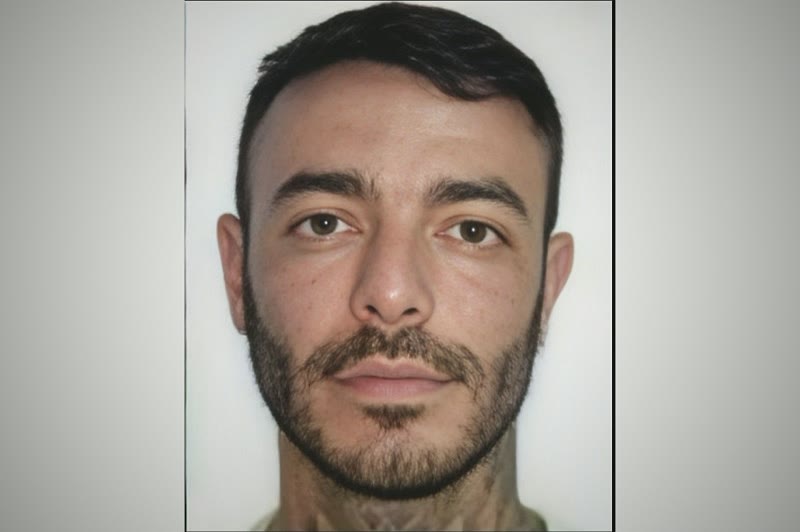
U.S. prosecutors are asking a federal judge to let jurors hear evidence that accused South American drug trafficker Sebastián Marset paid officials for protection across several countries.
Ahead of a trial expected early next year, prosecutors filed pretrial motions seeking admission of intercepted encrypted communications and alleged bribery in Uruguay, Paraguay, Bolivia, and Venezuela. They also want the court to hear evidence tied to a conspiracy to launder drug proceeds, including witness statements from an unindicted co-conspirator and an undercover officer.
Marset was arrested in a pre-dawn raid in Santa Cruz, Bolivia, in March and was expelled to the U.S. with assistance from the U.S. Drug Enforcement Administration. Prosecutors say the intercepted messages and bribery evidence are needed to show the alleged global drug trafficking network.
Prosecutors allege that Marset ran his organization through intimidation and violence, including threats, bombings, and murders of people who opposed him or cooperated with law enforcement. They also describe a “plata o plomo” approach, silver or lead, aimed at coercing governments.
The bribery evidence request centers on payments said to have been used to receive information and protection from law enforcement. Prosecutors also allege the payments enabled access to drug trafficking files from Bolivian law enforcement, helped evade capture operations, and provided notice of DEA meetings with Bolivian officials.
Prosecutors are additionally seeking to introduce encrypted messages sent to and from Marset on phones associated with the Sky ECC network. They argue the encrypted communications are admissible, even though the issue is described as unsettled in multiple jurisdictions.
In the Sky materials, prosecutors say they identified 12 personal identification numbers used in the alleged conspiracy, including three linked to Marset, containing messages and images showing identifiers such as tattoos and family details. Prosecutors also say the defendant texted a picture of an individual he murdered and that the government has independent evidence tying him to the killing.
Marset’s defense has filed motions asking the judge to keep violent-crime references from the jury unless they fit the narco-terrorism definition, and to exclude items including drug seizure references in international waters near Africa, bank records not connected to the specific charges, and secondhand statements tied to the money-laundering conspiracy. Prosecutors are also seeking to introduce witness statements about how funds moved from Europe to South America.
It is unclear when Judge Rossie Alston Jr. will rule on the seven new motions. The judge had pledged to rule by November 6 on several defense motions challenging the charges, but no decision had been reported at the time of the latest filings.
ADVERTISEMENT