Ukrainian intelligence links 100 Western parts to Russian Geran-4 drones
Marked chips show new US and European components produced as late as 2026.
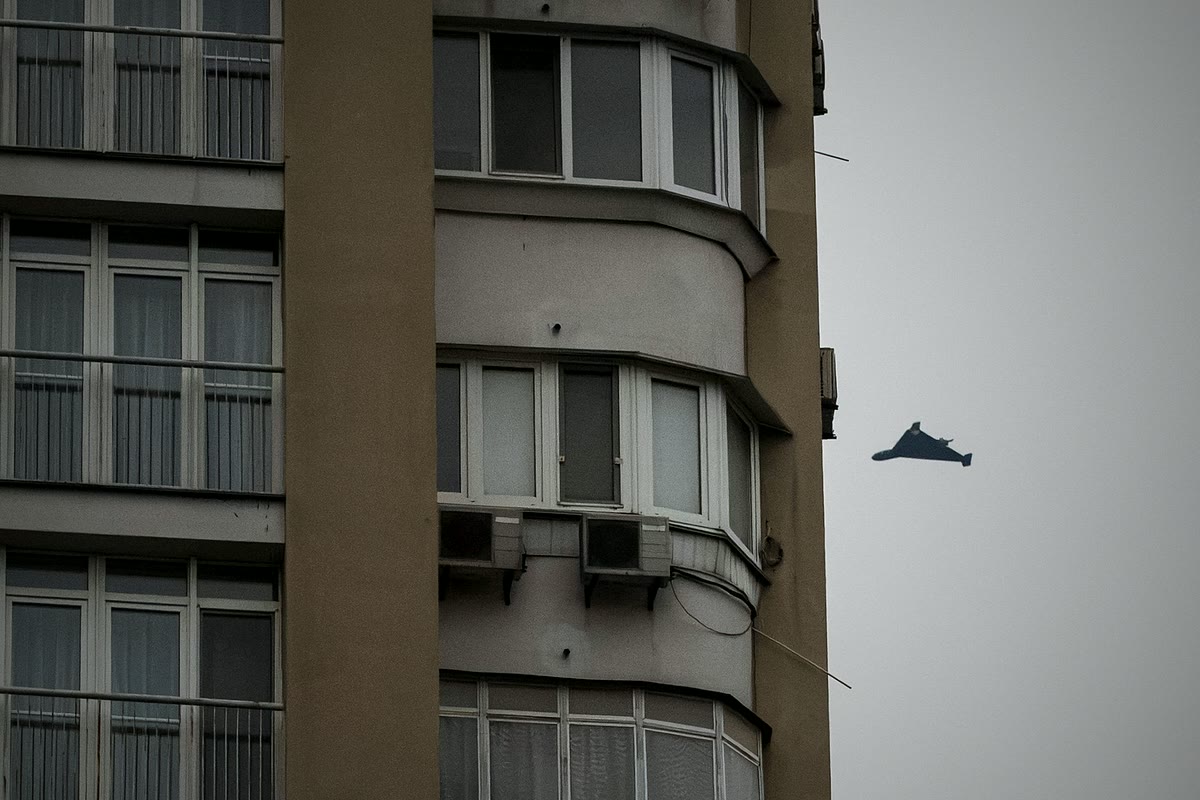
Ukrainian intelligence reports that Russian Geran-4 drones shot down over Kyiv Oblast carried nearly 100 components made by Western manufacturers in 2024 to 2026.
The findings, seen by the Kyiv Independent, suggest Russia is still sourcing newly produced restricted technology through sanctions-evasion networks operating via third countries, even after EU and US export restrictions introduced in 2022.
The Geran-4, a jet-powered attack drone also known by the Iranian name Shahed, is being mass-produced and Russia has used it in attacks on Ukraine’s civilian infrastructure.
According to Ukrainian military intelligence, the August drone was manufactured at the Alabuga Special Economic Zone, Russia’s largest production site for the Geran-4. In the wreckage, intelligence analysts identified timing chips marked with a CTS Corporation code. Their date codes indicated production in January, February and March 2026.
A small power diode attributed to US-based Vishay Intertechnology carried date code 2607, indicating it was made in the seventh week of 2026, mid-February. A microcontroller attributed to the Swiss-headquartered STMicroelectronics was marked with date code 2606, pointing to early February 2026, and was said to have been assembled and tested in Malaysia.
Overall, 12 parts had date markings. None were from pre-war stockpiles. Seven were produced in 2026, three in 2025 and two in 2024.
The Kyiv Independent and partner outlets sent images of the components to manufacturers for clarification. STMicroelectronics said it no longer operates in Russia and cited a global trade compliance program, without addressing the specific components. Vishay said it blocked all shipments to Russia in February 2022 and that it prevents products from being exported in violation of export compliance laws. CTS Corporation did not respond.
Separate reporting also described eight SIM cards issued by Lithuanian telecom operator Tele2 Lietuva’s prepaid brand Pildyk, recovered from drones used against Ukraine in 2025. The operator said the cards are sold only in Lithuania but can be misused by fraudsters and smugglers.
ADVERTISEMENT
Source:
The Kyiv Independent