Police use Y-DNA ties to crack 5 cold-case sex crimes in the Netherlands
New Y-chromosome DNA searches expand the match pool, helping solve cases across the country.
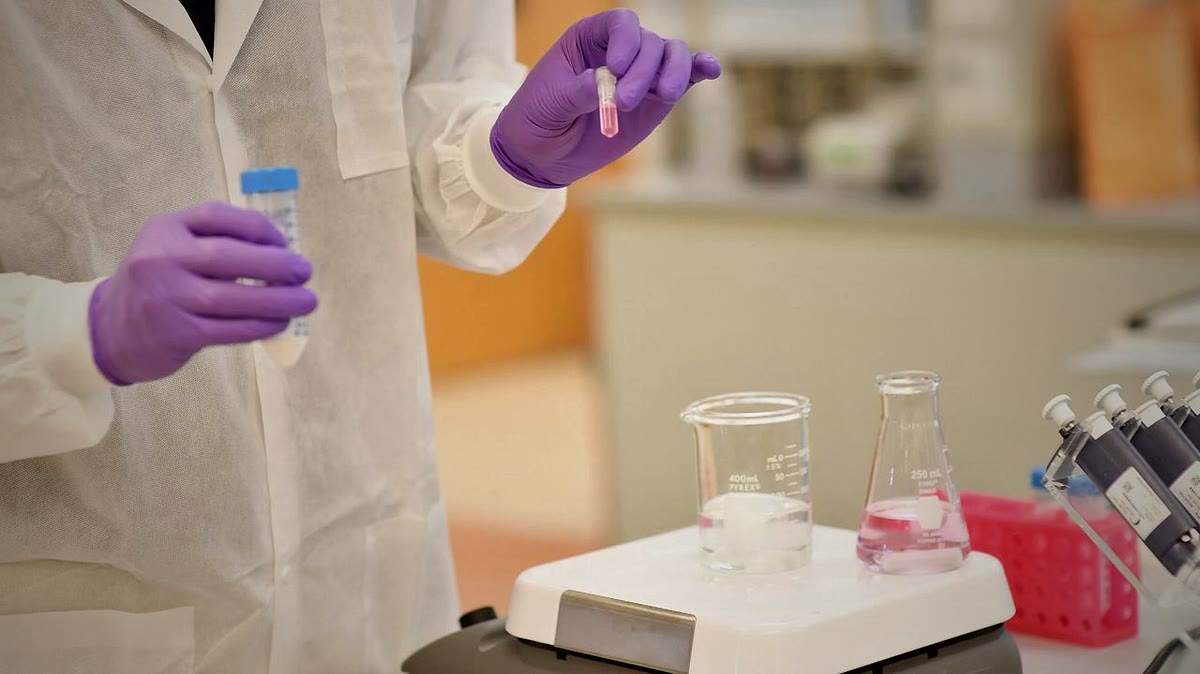
Police in the Netherlands say a new type of DNA-relationship research has already led to breakthroughs in five unsolved sex-crime cases this year.
The method, known as Y-DNA research, focuses on the Y chromosome found only in men. It creates a special Y-profile that expands the search area when investigators have a DNA sample from a suspect.
DNA-relationship research normally uses a DNA profile that is not linked to sex. With Y-available testing, forensic specialists can also analyse the Y chromosome, giving investigators more potential leads.
The process starts with a DNA match check in the national DNA database for criminal cases, which holds profiles from suspects and convicted offenders. If no direct match appears, a judge-commissioner can approve a relationship investigation to check whether male-line relatives are present in the database.
Because Y chromosomes are passed from father to son unchanged, investigators can search the male family line for relatives such as uncles, great-uncles, cousins, and grandfathers and their descendants. Investigators also note that in many Western societies surnames are passed along the same line, which can provide an additional lead.
Officials say Y-profiles have been used to move forward in cold cases that include suspected and confirmed rape cases from 1993 to 2021, including cases around Breda between 2001 and 2011, Den Haag in 2021, and investigations in Apeldoorn and Deventer in 1995 and 1997. A case connected to Winterswijk in 1999 is also described as resolved, with the suspect already deceased.
To make the approach work, the DNA database was expanded with Y-profiles. The database now contains about 430,000 DNA profiles, and investigators say Y-profiles increased to about 135,000 after the government provided funding. The NFI says it performs about 15 to 20 relationship investigations per year.
Y-research is limited to serious crimes where a prison sentence of at least eight years applies, and it requires approval from a judge-commissioner.
ADVERTISEMENT
Source:
NOS