Interpol’s Neptune VIII seizes 290 kg cocaine, arrests terror suspects
The operation covered 18 countries and led to 89 terror-related matches.
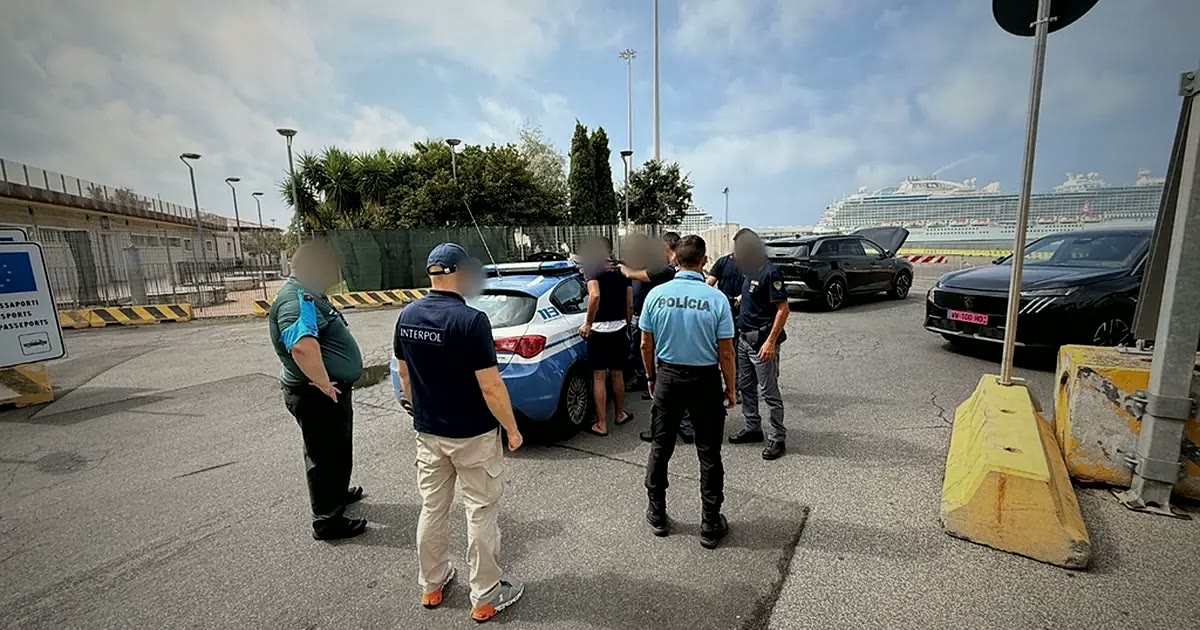
Interpol coordinated “Neptune VIII”, a large international police action that resulted in arrests of people linked to terrorism and organised crime.
During the operation, police found forged passports, smuggled vehicles and nearly 290 kilograms of cocaine. Controls were carried out at international airports, seaports and land border crossings across 18 countries in Europe, North Africa and the Middle East.
In total, investigators recorded 89 matches with people listed in Interpol’s databases for criminal offences linked to terrorism. Across Interpol’s systems, there were 395 matches.
One of the major arrests took place in Algeria, where police detained a suspected member of a terrorist group sought through Interpol’s red notices. The breakthrough came through information exchange with Italian counterparts.
In Tunisia, a man suspected of providing logistical support to terrorists was identified from a passenger list of a ship travelling from Italy. He was also connected to an alert for an imminent terrorist threat.
In Albania, police arrested a woman wanted by Turkey after she had been convicted for membership in a terrorist organisation. She was detected during border checks at Tirana’s Rinas airport after arriving on an international flight. Officers also identified other people linked to terrorism investigations, including a suspected foreign terrorist fighter.
The raids also uncovered other crimes. At Ljubljana Airport, authorities stopped two travellers with forged Indian passports and Spanish visas, triggering further identity checks and an investigation into possible links to foreign terrorist fighters. Interpol and Frontex later detected three vehicles travelling between Italy and Algeria with altered vehicle identification numbers, pointing to a possible smuggling route through North Africa. In Portugal, police arrested two people suspected of drug trafficking and seized about 290 kilograms of cocaine.
Interpol said it updated 19 “blue notices” connected to terrorism during the operation. Police also reported 281 matches after searching national databases and the Schengen Information System, to support further investigations into travel patterns and international links.
The operation involved police from Albania, Algeria, Bosnia and Herzegovina, Bulgaria, Croatia, Cyprus, France, Greece, Italy, Jordan, Lebanon, Malta, Montenegro, Morocco, Portugal, Slovenia, Spain and Tunisia, with support from the European agency Frontex. The investigation is ongoing.
ADVERTISEMENT
Source:
24sata