Prosecutors drop probe into LRT covert info gathering rules in Lithuania
The Prosecutor General's Office found no direct legal breach but urged procedure changes.
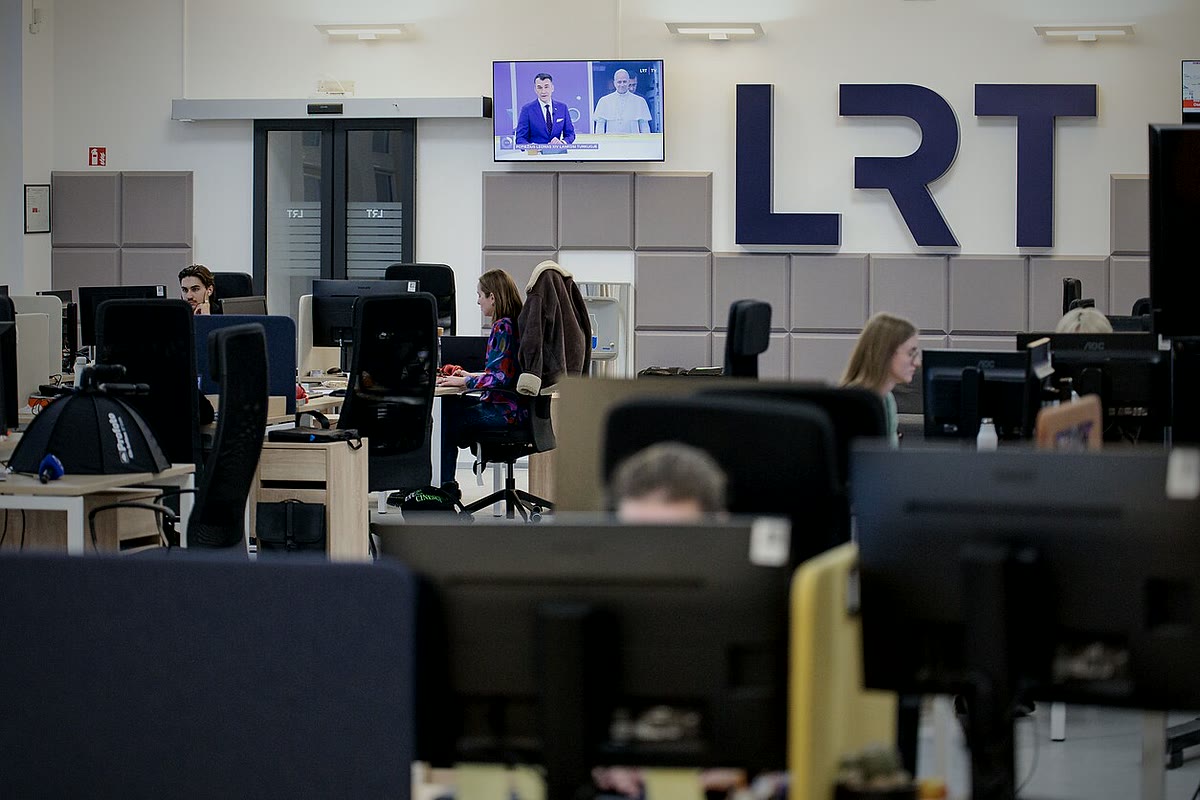
Lithuania's Prosecutor General's Office has dropped its probe into LRT's editorial policy allowing covert information gathering.
The prosecutors said they would not take legal action after investigating provisions that cover journalists secretly collecting information when they have evidence of illegal or dishonest actions by individuals, and when there is a clear public interest.
The investigation, launched in September, followed a request from the Prosecutor General's Office to LRT director-general Monika Garbačiauskaitė-Budrienė asking for answers to 15 questions about the policy rules.
Prosecutors concluded that LRT's rules did not directly violate the law. However, they recommended improvements to ensure the policy does not create “conditions for interference” in people's private lives or breach media legislation.
The probe sparked concern from the journalistic community and national and international organisations, which warned it could pressure media and restrict press freedom.
LRT's editorial policy requires journalists to obtain prior authorisation from their chief editor before using covert information-gathering methods. It frames such secrecy as an exceptional measure tied to evidence and public interest.
The latest verified status is that the Prosecutor General's Office will not pursue legal action after completing its investigation, while urging LRT to adjust its internal procedures.
ADVERTISEMENT
Source:
LRT