Rwanda deal flagged in Europe asylum pushback debate
Human rights claims cite kidnapping and imprisonment over criticism.
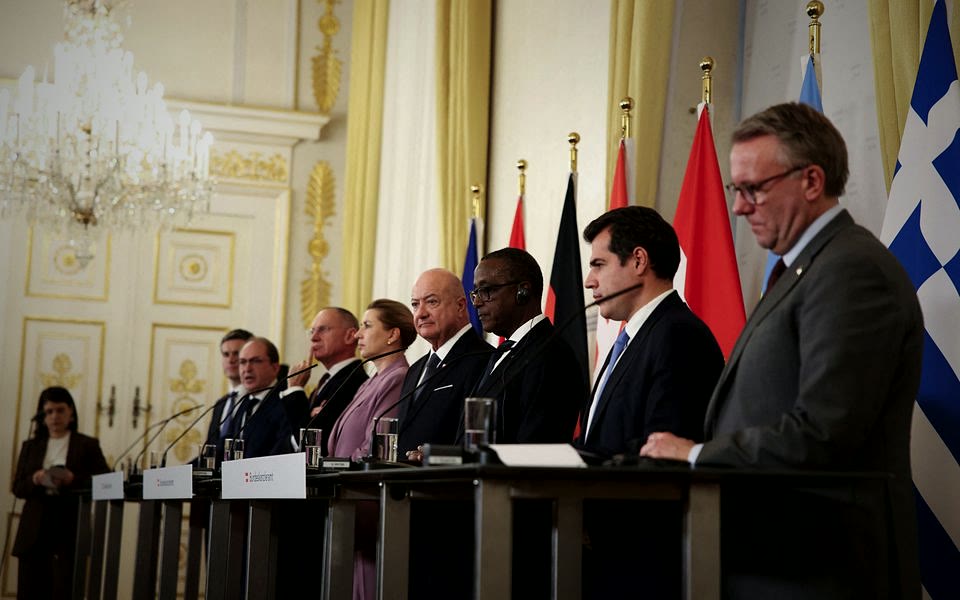
A debate over Europe’s asylum pushback plan to send 100 migrants who failed to secure protection by 2027 to Rwanda is being framed through the alleged ordeal of human rights activist Paul Rusesabagina.
In an essay published in The New York Times two years ago, Rusesabagina wrote about being kidnapped, tortured, imprisoned and silenced by people he had criticized. In 1994, he was a hotel manager in Kigali, Rwanda’s capital, where he sought to protect 1,268 people who had taken refuge there. A decade later, his account inspired the 2004 film Hotel Rwanda.
The renewed attention comes as Rwanda’s president, Paul Kagame, remains in office and has faced criticism over dissent, media censorship and alleged support for the March 23 Movement, an armed group in the neighboring Democratic Republic of the Congo accused of war crimes.
The plan involves five European countries, including Greece, preparing to send 100 migrants to Rwanda by 2027 after they failed to secure asylum. While France’s President Emmanuel Macron is not participating, the criticism described in the piece argues that pressuring refugees through a “Rwanda” destination does not deter new attempts to reach Europe.
Rusesabagina’s case is presented as an example of detention and pressure directed at a critic, but the article does not describe any new investigation, arrest, trial or sentence in the present matter.
ADVERTISEMENT
Source:
eKathimerini