Serbia and BiH refuse extradition for major war crimes and corruption
Fugitives including Novak Đukić and Svetozar Marović have avoided prison in the region for years.
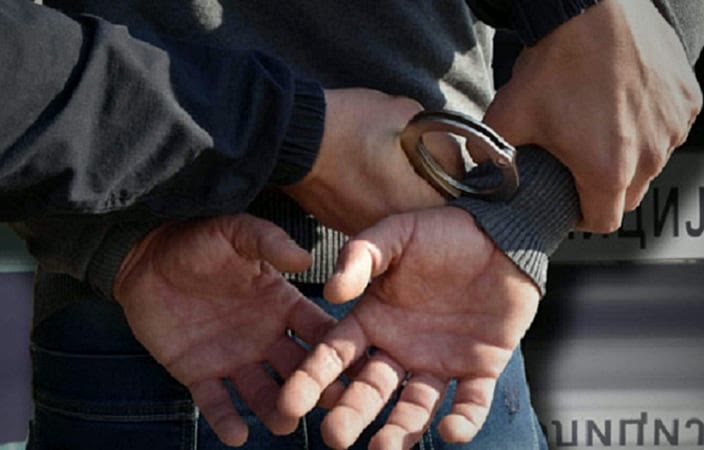
Serbia and Bosnia and Herzegovina refuse to extradite some high-profile fugitives sought by neighboring jurisdictions, citing citizenship, legal restrictions and political circumstances.
The cases reopen the question of how people convicted or accused of serious crimes across the Western Balkans can avoid trial or prolonged detention, despite extradition agreements among the regional states.
The article highlights the Montenegro case of Svetozar Marović, former president of the state union of Serbia and Montenegro. On October 10, 2026, the sentence imposed in Montenegro for corruption expired. After being sentenced there in 2016, he went to Serbia, where Belgrade refused to extradite him despite an agreement with Podgorica covering certain organized crime and corruption offences.
Serbia also hosts fugitives wanted by BiH for war crimes. One prominent example is Novak Đukić, a former general of the Republika Srpska Army, who fled to Serbia in 2014 on the eve of sentencing in Bosnia and Herzegovina. The Sarajevo court sentenced him to 20 years in prison for the war crime and murder of 71 civilians at the Tuzla Gate. Serbia refuses to extradite Đukić because he is its citizen.
Other BiH wanted persons also live in Serbia, including Tomislav Kovač, Mirko Vrućinić and Duško Kornjača.
The coverage also points to Milan Radoičić, at large after an armed attack on Kosovo police in Banjska. Kosovo issued several warrants for him, and the US and Great Britain sanctioned him due to ties to international crime. The article adds that he appeared at a ruling Serbian Progressive Party pre-election rally on October 9. Serbia does not recognize Kosovo and has no extradition agreement with Pristina, while EULEX oversees cooperation and some people are tried in absentia.
Serbia has also granted refuge and citizenship to some foreigners sought elsewhere. Bulgarian businessman Cvetan Vasilev, accused in 144 cases of money embezzlement, fled to Serbia in 2014 and received political asylum seven years later. Romanian businessman and former MP Sebastian Ghiță was also granted asylum in Serbia, and in 2019 Serbia granted citizenship to Yingluck Shinawatra, sentenced in Thailand to five years in prison for corruption.
Bosnia and Herzegovina has seen similar patterns for people sought by Croatia. Zdravko Mamić, sentenced in Croatia in 2018 to six and a half years for embezzling money from Dinamo, fled to Bosnia and Herzegovina before sentencing and obtained citizenship through his origin. Croatia’s extradition request was rejected. His brother Zoran Mamić was sentenced in Croatia to four years and eight months, avoided serving his Croatian sentence, and works as an advisor at Sarajevo Football Club.
The latest status is that these fugitives remain in Serbia or Bosnia and Herzegovina, with extradition requests refused under citizenship and other legal and political obstacles, including in high-profile war crimes and corruption cases.
ADVERTISEMENT
Source:
vreme.com