US secures 41 extraditions from Nigeria since 2022 cybercrime crackdown
FBI and EFCC cooperation helped send five suspects to the US this year, officials say.
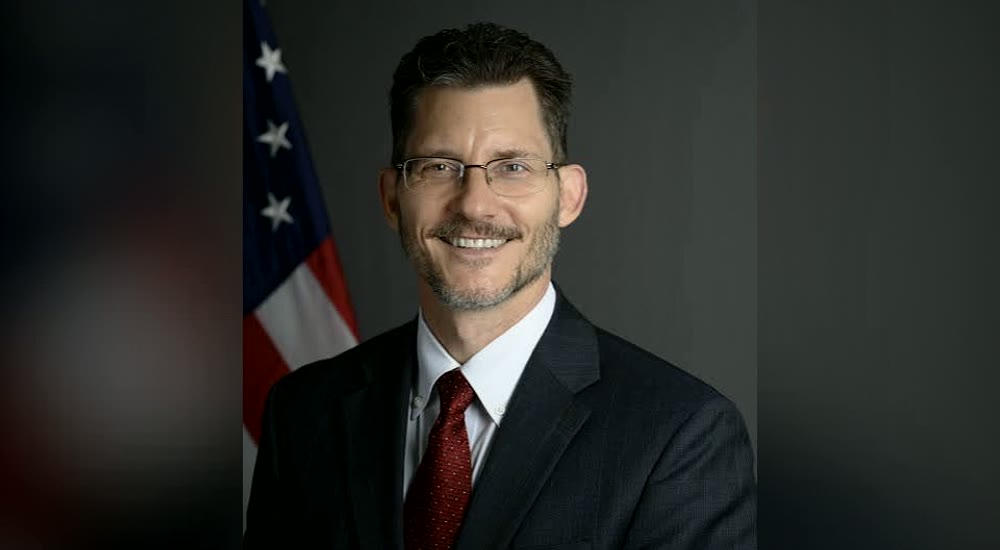
The United States has extradited 41 suspected cybercriminals from Nigeria since 2022, with five completed so far this year, as both countries step up joint action against online fraud.
US Deputy Assistant Secretary of State for International Narcotics and Law Enforcement Affairs Michael Gonzales said the total was disclosed during a visit to Abuja on Monday. The US Embassy in Nigeria said the FBI Legal Attaché Office in Abuja has worked with Nigeria’s Economic and Financial Crimes Commission, EFCC, on the extraditions since 2022.
The embassy said this marks an increase compared with the period from 2012 to 2021, when Nigeria and the US recorded four arrests and five extraditions. Gonzales met with EFCC, the Office of the National Security Adviser, the National Drug Law Enforcement Agency and the Nigeria Police Force, during events marking Nigeria’s Cybercrime Awareness Week.
The discussions focused on financially motivated sextortion, romance scams and other transnational cybercrime. Gonzales said the recent extraditions show that international borders can no longer protect people who target citizens.
In August, Nigeria extradited two alleged cybercriminals to the US to face separate charges tied to sextortion of American minors who later died by suicide. The US Department of Justice said the victims were teenagers. The suspects, Adebola Festus Adekunle and Mudasiru Afeez Olawale, were arrested in Nigeria in August 2023 and extradited to the US on August 27, 2026, where they have been charged and are presumed innocent until proven guilty.
The US delegation also highlighted the scale of sextortion reports, saying the National Center for Missing and Exploited Children received more than 50,000 reports in 2025, an average of about 137 a day. The FBI identifies Nigeria and other parts of West Africa, along with Southeast Asia, as areas where sextortion networks have operated. The FBI says it works with Nigerian authorities through Operation Artemis and related efforts to identify and disrupt networks targeting Americans.
Gonzales called for faster, more routine and increasingly proactive cooperation that targets criminal networks and the financial infrastructure behind them before more victims are harmed. The US said it will continue working with Nigeria on information sharing, turning cyber and financial intelligence into investigations, and improving investigative and reporting capabilities. It said success will be measured by victims protected, networks disrupted, investigations advanced and successful convictions.
ADVERTISEMENT
Source:
The Whistler Newspaper