South Wales police facial scans selected 24% ethnic minorities in 2025
Civil liberties campaigners warn of racial bias after Neoface checks targeted minorities far above population share.
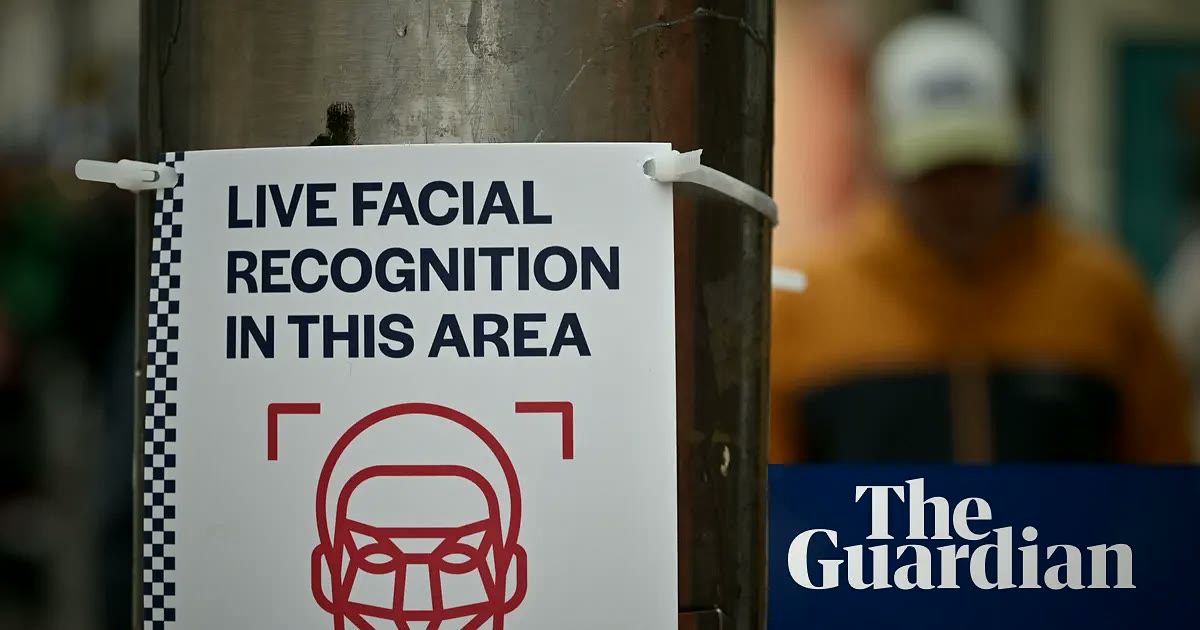
South Wales police figures show ethnic minority groups were selected for facial recognition checks at nearly four times the expected rate in 2025.
Internal data released by the force says 24% of people chosen for police facial scans were from ethnic minorities, even though the group makes up 7% of the area’s total population.
The force uses officer-initiated facial recognition, where officers capture a person’s face using a smartphone and run it through an algorithm called Neoface. The system is used to match faces against custody mugshots and other face databases, usually when people are suspected of crimes.
Campaigners called the figures “alarming” and warned that racial bias in policing could be amplified by algorithmic systems. South Wales police said it has raised “concerns about disproportionality” and is reviewing its approach through its governance processes.
The data relates to a full year of use in 2025. Officers initiated scans of 257 adults and 14 children, including two under 10. More than half of the scans were linked to suspicions of crimes, people being unlawfully at large, or breaches of bail conditions.
Other reasons included concerns officers believed a person posed a risk of harm, such as stalkers or sex offenders. In about one in 10 cases, a scan was initiated for a suspected missing person. The technology was used to identify a dead person about once a fortnight.
In many cases, the scan failed to deliver a match or the person agreed to share their identity. When a match was made, arrests followed in 48% of cases, while no further action resulted in a third.
South Wales police said the number of searches remains relatively small and that deployments are based on the individual circumstances officers face at the time, subject to supervisory and force-wide scrutiny.
The force did not state any individual outcomes beyond the match-to-arrest rate for 2025, and said its work is continuing through review and oversight processes.
ADVERTISEMENT
Source:
The Guardian UK Crime