Belgian woman alleges years of abuse in a Korean orphanage
She describes being locked in a cage and forced to attend Mass in the 1970s.
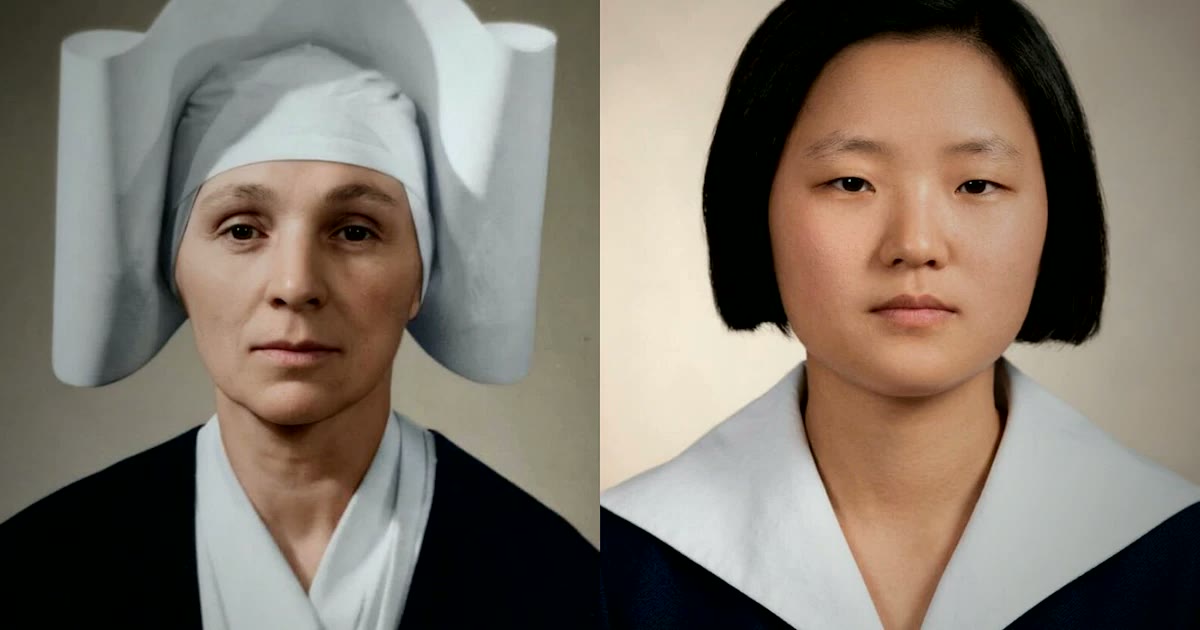
A Belgian woman has come forward with accusations of abuse during her childhood in a South Korean orphanage, where she said she was beaten and punished for refusing to attend Mass.
The woman was left at an orphanage in Incheon in 1955 as a new baby. In 1971, she was placed in a family in Belgium that had already adopted seven Korean children.
Decades later, living in Woluwe, she alleges that serious mistreatment was carried out inside the institution when it was run by religious staff affiliated with the Sisters of Saint-Paul. She singled out one nun for particular cruelty, describing early-morning wake-ups at around 5 a.m., beatings with a stick, and punishments carried out in front of other children.
The allegations include forcing children to attend Mass even after punishment, keeping punished children standing during meals alongside others, and banning them from drinking water. She also claims that she and other children were made to eat rice mixed with salt as a disciplinary measure.
She says punishments continued alongside religious observance, with children made to move in crouched positions and mimic “canard” style movements in the dining area. She adds that during winter cold in Incheon, she and other children were sent to school in a skirt without underwear, and were made to wash blankets in freezing water and sleep under them later in the night.
The woman also describes punishment connected to school results, saying children with bad grades were whipped. She alleges that the violence escalated after she refused to go to Mass at age 15, when she was locked in a closed cage placed in front of the convent for a full day, deprived of water and food.
She further claims that later, girls aged about 15 to 17 were sent to work in factories, and that some ended up in prostitution near American bases, with some reportedly dying or taking their own lives in later years.
She also recounts that a nun, identified as having joined the orphanage from Canada, helped arrange her departure from South Korea. The woman says she left that setting and began her life in Belgium afterward.
The report presents her testimony, with no arrests, charges, or court outcome described in the provided details.
ADVERTISEMENT
Source:
DH Faits divers