INTERPOL operation nets 262 migrant-smuggling arrests across 16 countries
Operation Communis Maris runs for four days and identifies 109 trafficking victims.
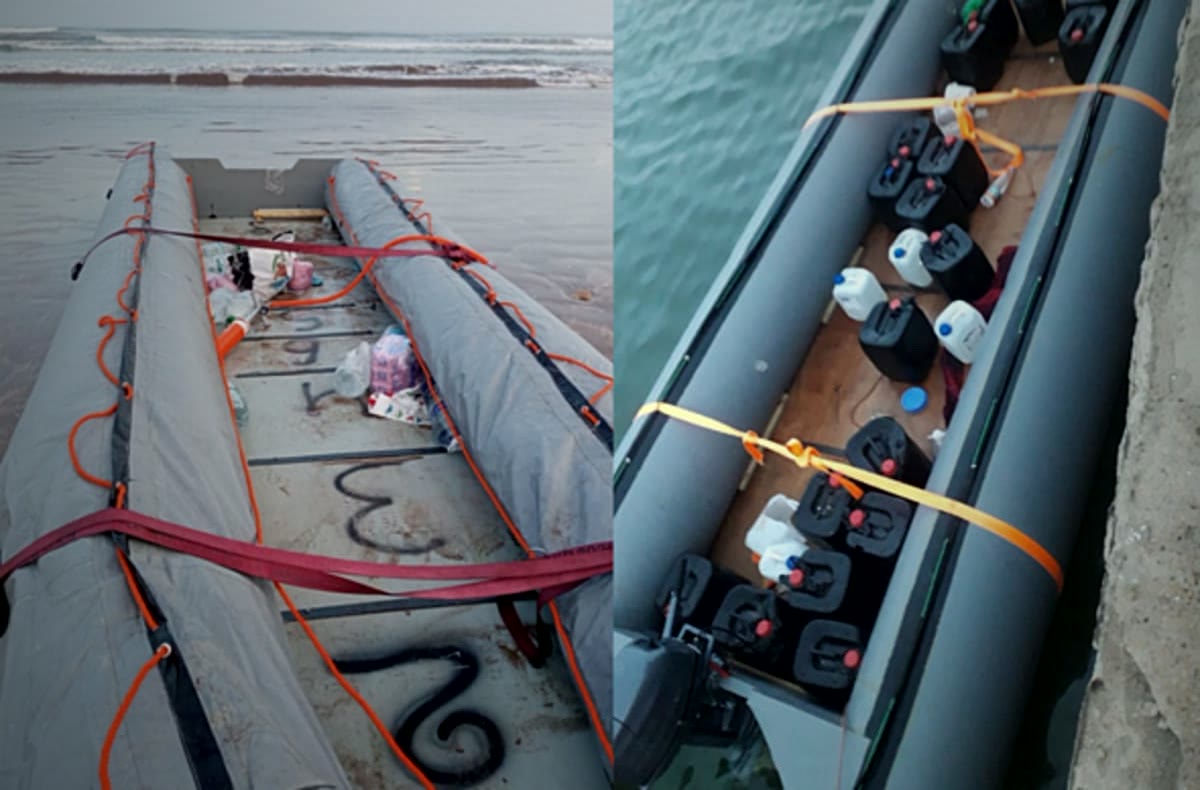
INTERPOL says a four-day crackdown on migrant-smuggling networks has led to 262 arrests, with boats seized on the Mediterranean and the West African Atlantic route.
The operation, dubbed Operation Communis Maris, took place between October 5 and 8 and involved law enforcement and border authorities from 16 countries.
INTERPOL, working with Europol, Frontex, AFRIPOL, the International Organization for Migration and the UN Office on Drugs and Crime, said investigators launched new probes into smuggling and trafficking support networks, creating 434 new investigations.
Authorities also intercepted irregular migrants and focused on people at risk. They identified 109 potential victims of human trafficking and detected 1,715 irregular migrants.
Of the 262 suspects arrested, 221 were accused of migrant smuggling offences, 16 were accused of human trafficking, and 25 were accused of other crimes, including the production and use of fraudulent documents.
During the operation, participating countries intercepted boats at sea. In southern Morocco, authorities stopped a vessel carrying around 70 people, including 30 minors who had been at sea for six days. In a separate case, Senegalese officials alerted neighbouring authorities about a vessel departing Senegal’s territorial waters.
In Mauritania, officials intercepted a wooden pirogue carrying 80 passengers, including two children, and arrested three suspected organisers. In Libya, authorities rescued 34 potential trafficking victims and arrested three people suspected of involvement in an organised criminal group linked to human trafficking, migrant smuggling and extortion.
In Algeria, six suspects were arrested suspected of running a migrant-smuggling network that allegedly endangered minors. In Syria, coordinated maritime patrols and surveillance led authorities to raid premises allegedly used by migrant smugglers, with seven suspects including an alleged ringleader apprehended and 22 irregular migrants intercepted.
The crackdown also targeted airport routes, forged travel documents and the financial networks believed to support smuggling operations.
INTERPOL said the operation was financed by the European Union under Project Himaya. The arrests are ongoing within investigations launched during the operation.
ADVERTISEMENT
Source:
AOL.co.uk