Judge orders non-destructive tests on rail pieces from Adamuz crash
The AITAT will measure rail wear and welds under police supervision after 10 months in storage.
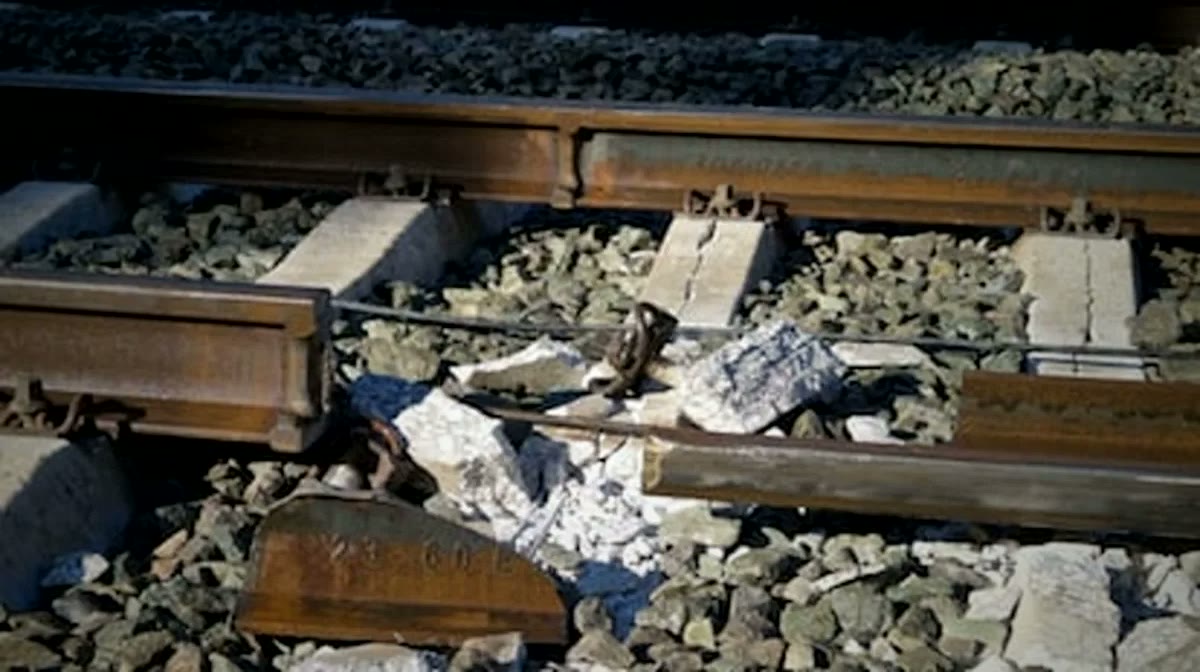
A judge in Montoro has authorized technical investigators to run non-destructive tests on rail fragments and welds from the Adamuz (Córdoba) train derailment that killed 46 people on January 18.
The Authority for Technical Accident Investigation (AITAT) received the green light from the investigating judge, requiring the work to be carried out with police oversight. The fragments were collected at kilometer 318.681 of the Madrid-Seville high-speed line, and they have been stored for 10 months in facilities of the Ministry of Transport before any lab examinations.
Investigators will now measure rail wear by analyzing samples already deposited for testing. The judge ordered that police draw up an official record immediately, including the model and type of digital measurement tool used, the people taking part, the actions performed, and any incidents during the inspection. The court also demanded traceability and a recorded custody chain, with judicial experts attending the tests at the Ministry site.
The AITAT sought permission to use a newly purchased suitcase-sized digital rail-wear measurement tool from Acre Surveying Solutions. The authority expected to receive the device on November 15 and asked to perform wear measurements on samples labeled A, B, D and F, including on both sides of the weld, while stressing the tests would not alter the samples.
The investigation has been ongoing for months as the case builds among allegations filed by multiple parties, difficulties finding pericial experts, and requests for infrastructure documentation. Adif has also sent additional material to the court covering track inspections, emergency repair work, and the supply of ballast at the site.
Investigators are weighing whether the rail break was linked to a defect or instead originated in the weld, including differences between a piece fabricated in 2023 and a component installed in 1989, along with whether the failure may have developed in stages before the derailment.
The case remains under investigation, with technical testing now approved and scheduled to proceed under judicial and police supervision, while the court continues to receive infrastructure and investigation updates.
ADVERTISEMENT
Source:
El País