Dozens arrested in Greece over suspected €100 million tax fraud network
Police say shell companies and front men were used to win beach bar contracts.
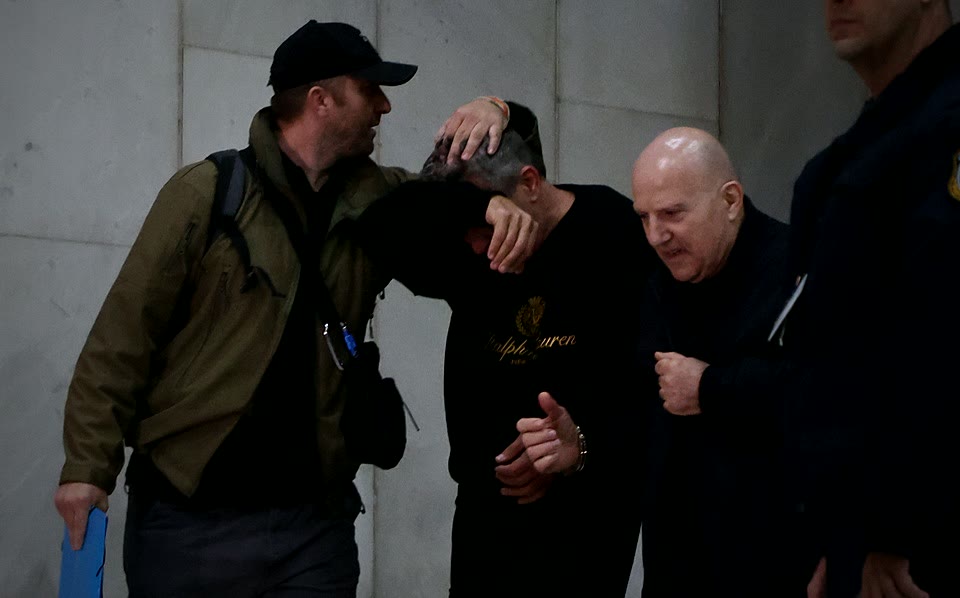
Greek authorities arrested businessman Angelos Giannakopoulos and 58 others in a suspected €100 million tax fraud probe involving shell companies, alleged money laundering and lucrative beach bar contracts.
The investigation began in January, when the Organized Crime Division looked for evidence tying Giannakopoulos to hundreds of companies allegedly controlled through more than 100 intermediaries. Police grew suspicious after companies repeatedly declared bankruptcy when tax and customs payments fell due.
Giannakopoulos was accused of running the Horiatiko bakery chain, hotels, nightclubs and strip clubs in the Athens region and Mykonos. Investigators said one club on Syngrou Avenue was registered to an elderly man from Salamina, who in a recorded call asked a club employee for €1,000, citing financial hardship. The network allegedly also used fictitious identities and two deceased men.
Arrests were made across multiple locations. Giannakopoulos was taken into custody in Ioannina after police said he tried to flee to Albania ahead of a planned operation early Monday. Reports said he had previously taken refuge in Dubai before returning after police allegedly used a relative to lure him back.
On Rhodes, 14 of the 59 suspects were arrested, with investigators saying Giannakopoulos controlled 35 beach bars and nightclubs with a local business partner, who was also arrested.
Police said companies used front men to bid for municipal beach concessions, offering sums far above starting prices to knock out competitors. After winning three-year contracts, the firms allegedly paid only the first instalment. When municipalities sought remaining payments, companies declared bankruptcy and new entities entered subsequent tenders, in some cases leaving debts for municipal action only after contracts expired.
Investigators also linked the case to the seizure of €950,000 in cash from an associate in late August, along with payment terminals, 30 grams of cocaine, phones and an agenda said to detail the cash fund. Police said some terminals routed transactions directly to banks in Denmark, Iceland and the Cayman Islands, with funds later returning to Greece as transfers and then being invested, particularly in real estate. Authorities reportedly found €4 million in accounts belonging to two women linked to Giannakopoulos and another €2 million in accounts held by legal entities connected to the network.
ADVERTISEMENT
Source:
eKathimerini.com