Estonia proposes police power to confiscate illegal electric scooters
Officials say the move would cover hidden higher-speed modes and prevent re-sale on roads.
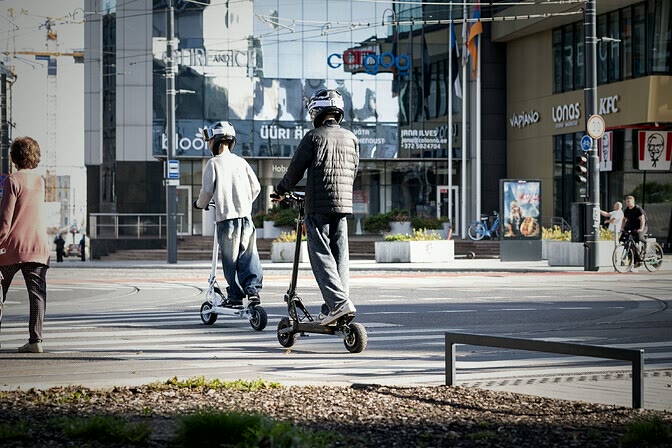
Estonia is preparing amendments to its Traffic Act that would expand police powers to confiscate noncompliant electric scooters on public roads.
Under the current proposal, police could already seize scooters that exceed permitted speed or power limits based on the manufacturer’s specifications. The amendments would also allow seizure of vehicles with a hidden higher-speed mode, installed by the manufacturer or modified by the user to go beyond the allowed speed.
The seizure authority would not be limited to scooters. It would also cover light mopeds and bicycles converted into motor vehicles.
In Estonia, electric scooters are allowed on public roads only if their maximum design speed is no more than 25 kilometers per hour and their motor power is no more than 1 kilowatt.
The ministry says the existing wording does not clearly set out what happens to confiscated vehicles, meaning they could be sold under general state property rules and end up back on the roads. Officials want the changes to ensure confiscation power covers real-world situations and prevents confiscated vehicles from returning to public streets.
Confiscation would not be automatic. The provision would grant the authority to confiscate during extrajudicial proceedings, not require it, and confiscation would be justified only with sufficient grounds that similar violations may happen again and that less severe measures have failed.
A separate Traffic Act proposal would also let holders of category B driver licenses operate heavier electric vans. The rule would change from the 3.5-metric-ton limit to allow electric vans weighing up to 4.25 metric tons, reducing the need for an additional C1 license. Both proposals are at the stage of heading for their second reading in Estonia’s parliament.
ADVERTISEMENT
Source:
ERR News